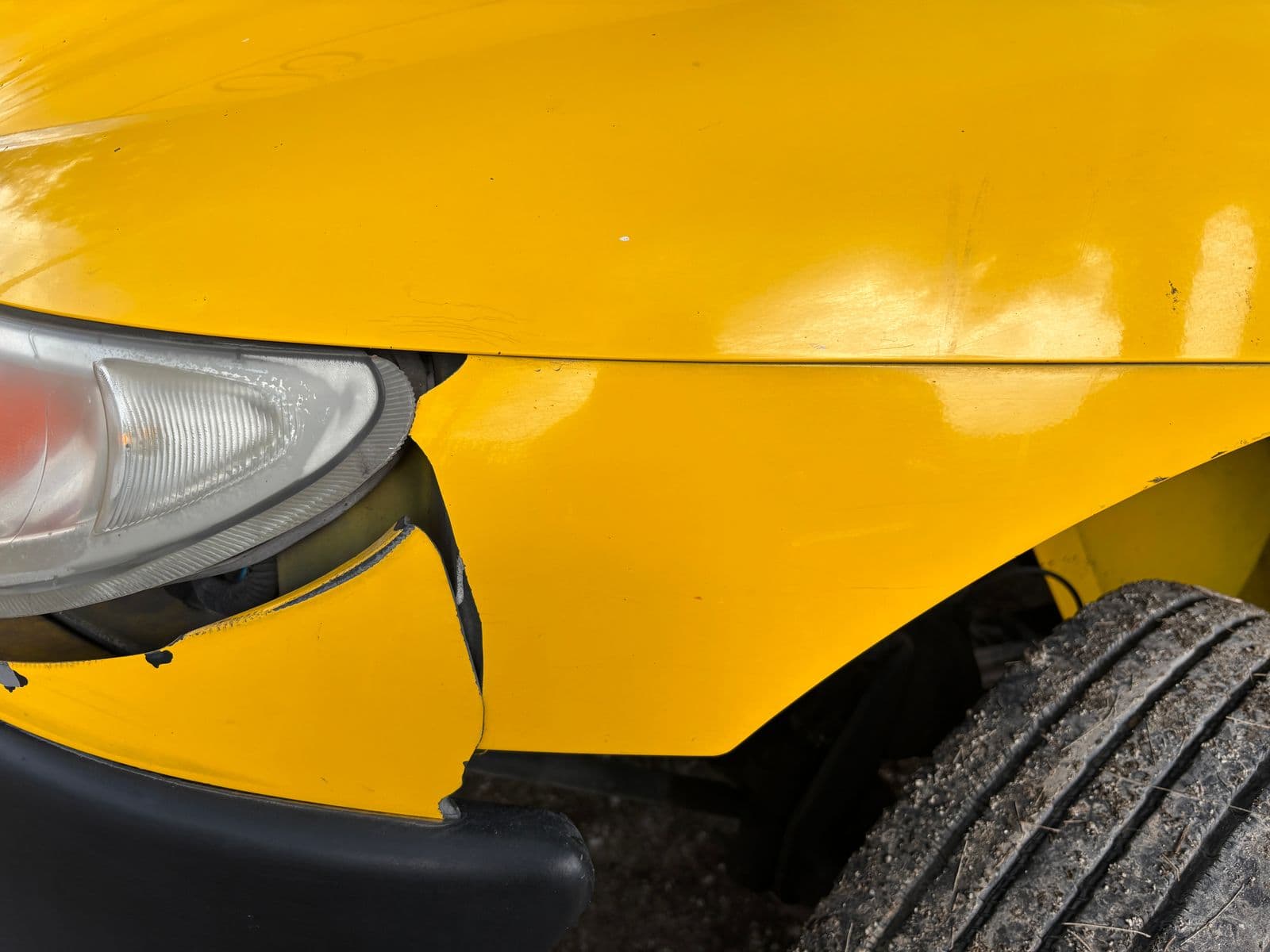
Salvage and dealer auctions can be a genuine source of good deals, but they operate differently from a typical used-car lot, and it pays to understand the differences before you bid.
What "salvage auction" actually means
Salvage auctions primarily sell vehicles that insurers have declared a total loss, along with repossessions, fleet vehicles, and cars being liquidated for other reasons. Some lots are lightly damaged or purely cosmetic write-offs; others have serious structural or mechanical damage. Listings usually include a damage description and photos, but the level of detail varies by auction house.
Before you bid
- Read the damage disclosure and condition report carefully, including any "run and drive" status
- Pull whatever VIN history is available — auction-listed VINs can often still be checked for title brands, prior sales, and reported damage
- Understand that most salvage auctions sell "as-is," with no warranty and often no test-drive
- Factor in the real cost of repair, re-inspection, and re-titling — not just the hammer price
After you win
Most states require a salvage vehicle to pass a specific inspection before it can be re-titled and legally driven — requirements vary significantly by state, so check your local DMV rules before you bid, not after. Budget for the inspection, any required repairs, and the possibility that a rebuilt title may affect resale value and insurability later on.
Auctions can work well for buyers who know what they're getting into — mechanics, rebuilders, and experienced flippers — but they're a very different risk profile than buying a retail used car with a clean title.